


Dubai Is Made for Tourism Advertising
Dubai is one of the most visually exciting cities in the world. From the moment travellers arrive, they are surrounded by movement, scale, luxury and discovery. Airports are busy, roads are active, malls are packed, hotels are everywhere, and tourists are constantly moving from one experience to the next.
That makes Dubai a dream market for tourism advertising.
For hotels, attractions, restaurants, tour operators, shopping destinations, entertainment venues and travel apps, visibility is everything. Tourists often make decisions while they are already in the city. They may choose where to eat, what to visit, which mall to explore, what experience to book or which app to download based on what they see around them.
This is where OOH Advertising becomes so powerful. It places brands directly into the real-world journey of visitors. Instead of waiting for people to search online, outdoor media helps brands appear when tourists are already looking, moving and ready to spend.
In tourism marketing, timing matters. Location matters. First impressions matter. Outdoor advertising brings all three together beautifully.
Tourists Are Always on the Move
Tourism is not a static audience. Visitors are constantly travelling between touchpoints. They land at the airport, take a taxi to the hotel, visit malls, explore beaches, book tours, attend events, eat out, shop, take photos and move through the city at different times of the day.
That movement creates endless opportunities for brand visibility.
A tourist might see an airport screen on arrival, a taxi ad on the way to the hotel, a billboard near Downtown Dubai, a mall screen during shopping, a bridge banner on the way to JBR and a DOOH screen near an attraction. Each exposure builds recognition.
This is why Out of Home advertising works so well for tourism brands. It follows the visitor journey without feeling intrusive. It catches attention in natural environments where people are already making plans.
A hotel can promote direct bookings.
A theme park can drive ticket sales.
A restaurant can attract walk-ins.
A tour company can push same-day experiences.
A delivery app can reach travellers staying in hotels or short-term rentals.
A shopping destination can promote seasonal offers.
Tourists are active, curious and open to discovery. Outdoor advertising meets them at exactly the right moment.
Outdoor Advertising Turns Arrival Into Opportunity
The tourism journey often begins at the airport. Before visitors reach their hotel, open their travel app or ask for recommendations, they are already forming impressions of the city.
That makes airport media extremely valuable.
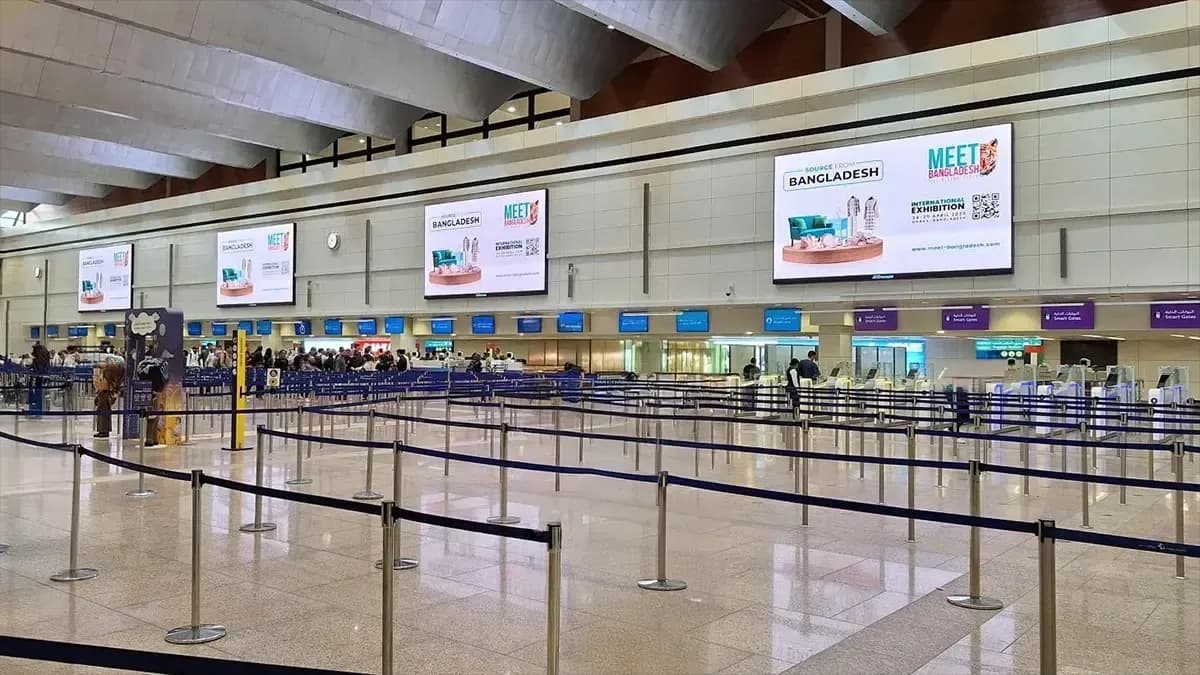
Airport advertising helps brands reach travellers when they are alert, excited and preparing for their trip. Large screens, arrival hall placements, baggage claim media, taxi queue visibility and route-based outdoor ads from the airport can all influence what visitors notice first.
For tourism and hospitality brands, this first impression can shape the rest of the stay.
A luxury hotel can welcome international guests.
A restaurant group can promote dining experiences.
A city attraction can encourage ticket bookings.
A shopping mall can position itself as a must-visit destination.
A transport or delivery app can offer convenience from day one.
Airport advertising also carries a premium feel. When a brand appears in a major travel environment, it feels established and reliable. For travellers who are new to Dubai, that credibility can make a real difference.
Billboards Build Big Destination Awareness
Few formats create citywide presence like Billboard advertising. Large-format billboards give tourism brands the scale they need to be noticed across Dubai’s busiest roads and high-traffic districts.
For tourism marketing, billboards can work in two main ways.
First, they build awareness. A hotel, attraction or entertainment brand can use billboards to become familiar to residents and visitors alike. This is especially useful for major launches, seasonal campaigns, festivals, new experiences and luxury destinations.
Second, they can influence action. A tourist passing a billboard may search the brand later, scan a QR code, remember the location or mention it while planning the day. If the message is simple and the location is relevant, billboards can drive real interest.
The key is to make the creative instantly understandable. Tourists may only have a few seconds to process the ad, so the message should be short, visual and exciting.
A beautiful pool.
A desert adventure.
A skyline view.
A famous dining experience.
A family attraction.
A limited-time offer.
Tourism advertising is emotional. People want to feel the experience before they book it. A strong billboard can create that feeling at scale.
Outdoor Ads Influence Last-Minute Decisions
Tourists do not plan everything in advance. Many decisions happen during the trip, often through questions like:
- Where should we go tonight?
- Which beach club looks good?
- What can we do with the kids?
- Where should we have dinner?
- Which mall should we visit?
- What can we book for tomorrow?
For example, a desert safari company can advertise along routes used by hotel guests and tour buses. A restaurant can promote brunch near popular leisure areas. A theme park can run family-focused creative near residential communities and tourist-heavy zones. A mall can use outdoor media to attract shoppers during peak travel seasons.
Tourists are often in discovery mode. If your brand appears at the right place with the right message, it can become part of their itinerary.
Dubai’s Tourist Hotspots Are Powerful Media Zones
Dubai has several high-value areas where tourism and outdoor advertising naturally connect. Each location offers a different type of audience and campaign opportunity.
Dubai International Airport is ideal for reaching travellers at arrival and departure. It works well for hotels, attractions, luxury retail, tourism boards, transport apps and premium experiences.
Sheikh Zayed Road delivers mass visibility across one of Dubai’s most important traffic routes. It is strong for large tourism campaigns, major attractions, luxury hotels, real estate, retail and events.
Downtown Dubai offers access to visitors heading towards Burj Khalifa, Dubai Mall, restaurants, hotels and entertainment spots. It is a high-impact area for premium and experience-led campaigns.
Dubai Marina and JBR attract tourists looking for beaches, dining, nightlife, hotels and leisure experiences. Outdoor formats here can support restaurants, clubs, attractions, cruises and hospitality brands.
Palm Jumeirah works beautifully for luxury hospitality, beach clubs, fine dining, wellness, tourism experiences and premium retail.
Malls and entertainment districts offer long dwell time, which means people have more time to notice, scan, search or act.
This is why location planning is so important. A tourism campaign should not simply aim to be everywhere. It should appear where the target visitor is most likely to be interested.
Transport Media Follows the Tourist Journey
Transport is a major part of the tourist experience in Dubai. Visitors use taxis, buses, metro, ride-hailing services, hotel shuttles and tour vehicles to move around the city.
That makes transport advertising a strong choice for tourism brands.
Taxi advertising is especially useful because taxis are closely linked to tourists, hotels, airports, malls and entertainment areas. A taxi wrap or taxi-top campaign can move through the city all day, reaching people across multiple districts.
Bus advertising can support wider city visibility and is helpful for brands that want repeated exposure on busy routes. Metro-related media can reach both tourists and residents, especially around stations connected to malls, business hubs and attractions.
Transport media works well because it feels part of the city’s movement. It does not wait for tourists to come to one location. It travels through the places they are already using.
For tourism brands, that mobility is a big advantage.
Malls Are a Natural Tourism Marketing Space
Dubai’s malls are not just shopping centres. They are tourist attractions in their own right. Visitors go there to shop, eat, cool down, take photos, meet friends, discover entertainment and spend hours exploring.
That makes mall advertising extremely valuable for tourism marketing.
Mall screens, banners, digital panels, escalator media, atrium activations and branded experiences can place tourism brands in front of visitors when they are relaxed and open to spending.
- A restaurant can drive same-day bookings.
- A theme park can promote family packages.
- A luxury brand can attract high-spending shoppers.
- A hotel can advertise spa or dining offers.
- An entertainment venue can promote evening plans.
- A tourism app can encourage downloads.
Malls also offer strong contextual relevance. If someone is already shopping, dining or exploring, they are much more likely to respond to nearby experiences and offers.
For brands that want to reach tourists beyond the roadside, mall advertising is a smart part of the mix.
DOOH Adds Flexibility to Tourism Campaigns
Digital Out of Home, also known as DOOH, gives tourism brands more flexibility than traditional static media. Messages can change by time of day, season, weather, event or audience flow.
This is extremely useful for tourism marketing.
- A breakfast offer can run in the morning.
- A brunch message can appear before the weekend.
- A theme park can promote family packages during school holidays.
- A beach club can push sunset experiences in the afternoon.
- An indoor attraction can advertise during hotter hours.
- A restaurant can promote dinner reservations in the evening.
Digital screens can also rotate multilingual messages, which is important in a global tourism market like Dubai. English and Arabic may be essential, but some campaigns may also benefit from Russian, Chinese, Hindi, German or other language adaptations depending on the audience.
With pDOOH, brands can also plan more targeted and data-led campaigns, helping them reach audiences with smarter timing and placement.
Tourism moves fast. DOOH helps brands keep up.
Outdoor Advertising Builds Trust for Visitors
When tourists are in a new city, they often look for brands that feel safe, visible and established. Outdoor advertising helps create that confidence.
A brand seen in airports, on roads, around malls or near major attractions feels more legitimate. It gives visitors reassurance that the business is active and known in the market.
This matters for hotels, tour operators, restaurants, medical tourism providers, attractions and transport services. Tourists may be hesitant to try unfamiliar brands, especially when they are booking experiences, spending money or travelling with family.
A strong outdoor presence can reduce that hesitation.
It says: this brand is here, visible and ready to serve you.
That trust can make the difference between being ignored and being chosen.
Tourism Campaigns Need Simple, Visual Messaging
Tourists do not have time to read complicated messages. They may be in a taxi, walking through a mall, waiting for luggage or heading to dinner. The campaign needs to be understood quickly.
The best tourism outdoor ads usually have:
- A strong image
- A short headline
- A clear brand name
- A simple offer or benefit
- A visible call to action
- A location cue if needed
- A QR code or easy search term where relevant
Visuals are especially important. Tourism is emotional and experience-led. A beautiful hotel pool, a desert sunset, a luxury suite, a family attraction, a skyline view or a tempting restaurant dish can communicate instantly.
The message should make people feel something first. The details can come later.
That is what makes outdoor media so effective for tourism. It sells the feeling of the experience in a single glance.
Multilingual Campaigns Help Brands Reach More Visitors
Dubai welcomes people from all over the world, so tourism campaigns often need to speak to more than one audience.
Outdoor advertising can support multilingual communication in simple and effective ways. Static campaigns can use clear English and universal visuals. Digital screens can rotate between languages. QR codes can lead to landing pages in different languages. Icons, maps and visuals can help tourists understand offers quickly even when language is limited.
This is useful for hotels, attractions, medical tourism, luxury shopping, transport services, restaurants and event brands that want to appeal to international visitors.
The key is not to overload the creative. If multiple languages are needed, the layout should still stay clean. In many cases, a strong visual and simple English headline can work across audiences, while the QR code or landing page carries the deeper multilingual information.
Simple always wins.
Seasonal Timing Makes Outdoor More Powerful
Tourism in Dubai has strong seasonal patterns. Cooler months, major events, shopping festivals, New Year celebrations, school holidays, Ramadan, Eid and exhibition periods all create different opportunities for advertisers.
Outdoor advertising becomes even more effective when it is planned around these moments.
During peak tourist season, brands can focus on high-traffic visitor areas such as airports, malls, hotels, Downtown Dubai, JBR, Dubai Marina and Palm Jumeirah. During major events, brands can target routes, venues and districts linked to the event audience. During summer, indoor attractions, malls, hotels, family entertainment and staycation offers may become more relevant.
Timing helps the campaign feel useful rather than random.
Dubai Advertising’s guides on targeting tourist season in the UAE, Dubai 2026 events and best times to advertise and timing tips for Dubai outdoor advertising success can help brands plan around these high-value windows.
Outdoor and Digital Work Better Together
Tourists are constantly connected. They use maps, social media, booking platforms, restaurant reviews, hotel apps, ride-hailing apps and search engines throughout their trip.
Outdoor advertising can feed directly into this behaviour.
A tourist sees a billboard and searches the attraction.
They scan a QR code at the airport.
They notice a restaurant on a mall screen and check reviews.
They see a taxi ad and download an app.
They pass a bridge banner and later visit the website.
This is why outdoor and digital should not be treated separately. The billboard creates awareness. The mobile journey captures action.
Brands can support outdoor campaigns with search ads, retargeting, social media, influencer content, landing pages, booking offers and location-based mobile campaigns. When the same message appears across both physical and digital channels, it becomes easier to remember and more likely to convert.
Outdoor creates the spark. Digital keeps the conversation going.
Outdoor Advertising Supports Direct Bookings
For tourism and hospitality brands, direct bookings are valuable. Hotels, tour companies, restaurants and attractions often want customers to book through their own website rather than relying only on third-party platforms.
Outdoor advertising can help push people towards direct action.
A hotel can promote a direct booking offer.
A tour operator can use a QR code for same-day bookings.
A restaurant can promote reservations.
A theme park can push online ticket sales.
A spa can advertise weekday packages.
A shopping destination can promote seasonal events.
The call to action needs to be simple and memorable. Tourists should know exactly what to do next, whether that is scanning, searching, visiting or booking.
For campaigns focused on performance, using unique URLs, QR codes, promo codes and call tracking can help measure response.
Outdoor Media Helps Smaller Tourism Brands Compete
Dubai’s tourism market is competitive, but outdoor advertising is not only for the biggest brands. Smaller and mid-sized businesses can also use outdoor media effectively with smart planning.
A boutique hotel may not need a citywide campaign. It may only need strong visibility near a mall, metro station or tourist district. A desert safari company can focus on hotel routes and tourist-heavy areas. A restaurant can advertise close to its location. A local attraction can use lampposts, bridge banners or DOOH screens in specific zones.
The goal is to spend where the audience is most likely to respond.
A focused campaign in the right place can often do more than a broad campaign with weak targeting.
Dubai Advertising’s solutions page is a useful starting point for brands that want help choosing the right format and approach.
Creative Ideas That Work Well for Tourism OOH
Tourism campaigns should feel exciting, clear and easy to act on. Some creative approaches work especially well outdoors.
- Show the experience, not just the name: Instead of only saying “Visit us”, show what people will feel when they arrive.
- Use location-based copy: A message near the airport can welcome travellers. A message near a mall can promote nearby experiences. A message near the beach can push dining, cruises or nightlife.
- Make the offer easy to understand: Tourists should not need to decode the message. Simple phrases like “Book Tonight”, “5 Minutes Away” or “Scan for Tickets” work well.
- Use strong photography: Tourism is visual. The right image can make people want the experience immediately.
- Add a simple QR code: QR codes can work well when people have dwell time, such as in airports, malls, metro stations and pedestrian areas.
- Keep branding clear: Tourists may be seeing your brand for the first time, so the logo and name must be easy to remember.
Best Outdoor Formats for Tourism Marketing in Dubai
The best outdoor format depends on where the tourist is in their journey. Airport media is powerful at the arrival and departure stage, giving hotels, attractions, travel apps and luxury brands a chance to make an impression before visitors even leave the terminal. Once they are on the road, billboards, bridge banners and unipoles help build large-scale awareness across Dubai’s busiest routes, especially around airport roads, Sheikh Zayed Road, Downtown Dubai, Dubai Marina and other high-traffic areas.
For brands that want repeated visibility in specific zones, lampposts are a strong option. They work well around hotels, malls, residential communities, beaches and tourist districts because they keep the message visible across an entire route. Transport formats such as taxi advertising and bus advertising are also highly effective because they move with the city. Taxis, in particular, are closely connected to tourists, reaching hotels, airports, malls, beaches and attractions throughout the day.
Mall media is another valuable format because tourists spend long periods shopping, dining and exploring Dubai’s retail destinations. This gives brands more time to influence decisions, whether the goal is bookings, visits, app downloads or direct purchases. DOOH screens add even more flexibility by allowing brands to use motion, time-based messaging and seasonal creatives that match tourist behaviour throughout the day.
Together, these formats help tourism brands stay visible from the moment visitors arrive in Dubai to the moment they decide where to go, what to book and what to experience next. You can explore the full range of options on Dubai Advertising’s formats page.
Measuring Tourism OOH Campaign Success
A tourism outdoor campaign can be measured in several ways, depending on the goal.
If the goal is awareness, brands can look at reach, impressions, brand search uplift, social mentions and recall. If the goal is bookings, they can track QR scans, unique landing page visits, promo codes, calls, enquiries and direct sales. If the goal is footfall, location-based reporting, store visits and booking patterns can help show impact.
For hospitality brands, useful indicators may include website booking increases, restaurant reservations, spa bookings, event attendance or walk-in traffic. For attractions and tour operators, ticket sales and same-day bookings may matter more.
Measurement should be planned before the campaign starts. That way, the creative, call to action and media placement can all support the same objective.
Outdoor advertising is highly visible, but with the right planning, it can also be highly trackable.
Why Dubai Advertising Is the Right Partner
Tourism marketing in Dubai needs more than a nice-looking ad. It needs the right locations, formats, timings, approvals, creative direction and campaign structure.
Dubai Advertising helps brands advertise across Dubai through billboards, building wraps, taxi advertising, bus advertising, MUPIs, lampposts, bridge banners, malls, DOOH, airports and more. Whether you are promoting a hotel, restaurant, attraction, tour service, travel app, retail destination or seasonal tourism campaign, the right outdoor plan can put your brand in front of people when they are ready to act.
You can explore Dubai Advertising’s our work, visit the academy for campaign guidance, or get in touch through the contact page.
In a city full of visitors looking for their next experience, being seen in the right place can make all the difference.
FAQs
Q1. Why is outdoor advertising effective for tourism marketing in Dubai?
Outdoor advertising is effective because tourists are constantly moving between airports, hotels, malls, beaches, attractions and restaurants. OOH helps brands reach them during real decision-making moments.
Q2. Which outdoor advertising formats work best for tourism brands?
Airport advertising, billboards, taxi ads, mall screens, bridge banners, lampposts, DOOH screens and transport advertising all work well for tourism campaigns, depending on the audience and objective.
Q3. Can outdoor advertising help hotels increase direct bookings?
Yes. Hotels can use outdoor advertising to promote direct booking offers, dining experiences, spa packages, staycations and premium amenities, then drive people to their website or booking page.
Q4. Should tourism outdoor ads use QR codes?
QR codes can be useful in locations where people have time to scan, such as airports, malls, metro stations and pedestrian areas. They should lead to a fast, mobile-friendly booking page or offer.
Q5. Can Dubai Advertising help plan tourism campaigns?
Yes. Dubai Advertising can help tourism and hospitality brands plan outdoor campaigns across billboards, airports, malls, taxis, buses, bridge banners, lampposts, DOOH and other high-impact formats in Dubai.
Ready to Reach Tourists Across Dubai?
Tourists are already moving through the city, looking for places to stay, eat, shop, visit and experience. Your brand should be part of that journey.
Contact Dubai Advertising today and let’s create an outdoor advertising campaign that helps your tourism brand get seen, remembered and booked.
Get a Tailored Quote Now to Launch Your Outdoor Campaign!
Your audience is out there, on roads, at airports and across screens. Every moment of delay is a moment of lost visibility. So, why wait? Request a personalised quote now to plan and roll out your OOH advertising Dubai campaign at full speed.
We craft a bespoke strategy that delivers maximum impact across the city's most strategic locations. From concept to execution, Dubai Advertising gets your campaign up and running faster than ever.