


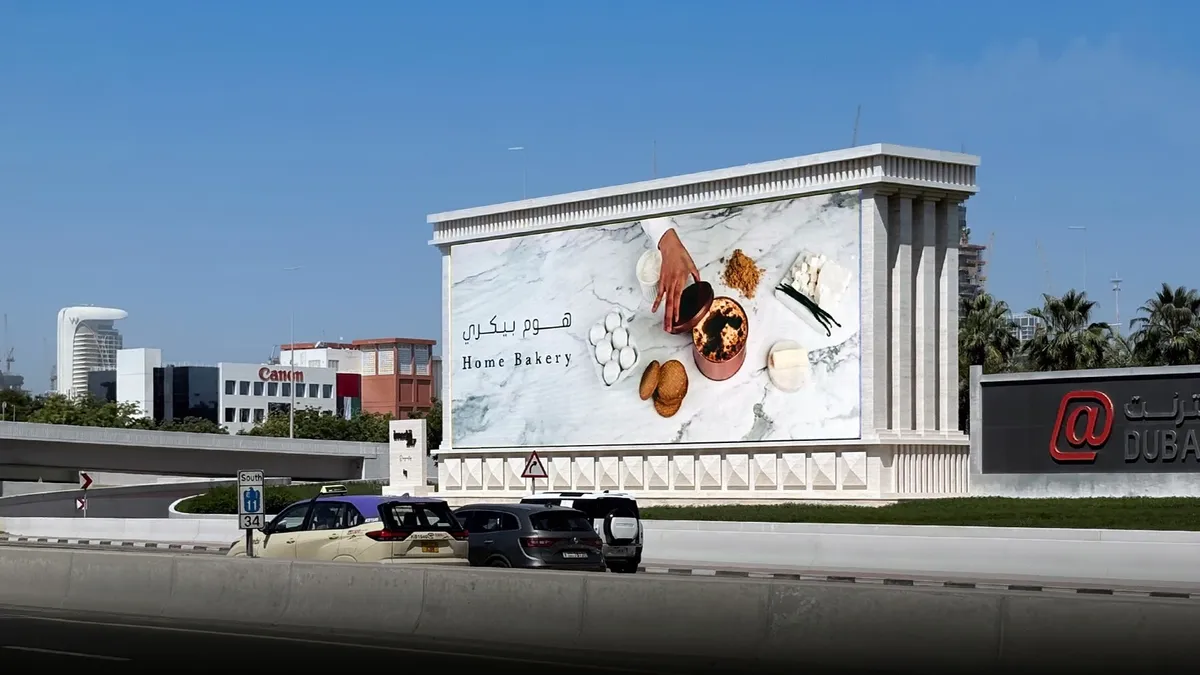
Advantages & Disadvantages of Billboard Advertising Explained
Billboards have been part of city landscapes for decades, and for a simple reason.
They work.
From highways to city centres, they deliver constant visibility, helping brands stay present in people’s daily lives. For businesses investing in OOH advertising, billboards remain one of the most trusted ways to build awareness at scale.
But like any powerful marketing tool, they come with both strengths and considerations. The key is understanding how to use them properly.
Why Billboards Continue to Deliver Strong Results
Unmissable Visibility Around the Clock
Billboards are always on.
Placed in high-traffic locations, they reach people during commutes, errands, and daily routines. There is no switch-off time, no algorithm deciding when your ad appears.
This constant presence is what makes outdoor advertising so effective.
Mass Reach That Builds Brand Awareness
Billboards are built for scale.
They connect with:
- Drivers
- Pedestrians
- Public transport users
- Tourists
This broad reach makes them ideal for campaigns focused on visibility and recognition.
Repetition That Sticks in the Mind
People pass the same routes every day.
That repetition creates familiarity. Over time, your brand becomes part of the environment, making it easier for people to recall it later.
This is one of the biggest strengths of out of home advertising.
Location-Based Targeting That Makes Sense
Billboards allow you to choose exactly where your message appears.
You can target:
- Business districts
- Residential areas
- Tourist hotspots
- Key highways
This makes them highly effective for both local and city-wide campaigns.
Creative Freedom on a Large Canvas
Billboards offer space.
Big space.
This allows brands to create bold, simple, and visually striking campaigns that stand out instantly. Digital formats add even more flexibility, allowing content to change based on time or context.
Practical Considerations to Keep in Mind
Designed for Quick Impact
Billboards are often viewed in passing.
This means your message needs to be simple, clear, and easy to understand within seconds. Rather than a limitation, this actually encourages stronger, more memorable creative.
Broad Reach by Design
Billboards are built to reach wide audiences.
While they may not target niche interests like digital ads, they deliver something just as valuable. Visibility at scale. This makes them perfect for brand-building campaigns rather than narrow targeting.
Investment Reflects Premium Locations
Prime billboard locations come at a premium.
But they also deliver unmatched exposure. When you consider the number of impressions generated over time, the cost becomes highly efficient for awareness campaigns.
Measurement Has Evolved
Tracking billboard performance used to be a challenge.
Today, brands use:
- QR codes
- Custom URLs
- Traffic data
- Sales comparisons
This allows campaigns to be measured more effectively than ever before.
Environmental Factors Add Real-World Presence
Billboards exist in real environments.
Weather and surroundings can affect them, but this also reinforces their authenticity. They are part of the physical world, not just a screen, which adds to their credibility and impact.
Traditional vs Digital Billboards
Modern billboard advertising offers two main options:
- Traditional billboards with static designs for long-term visibility
- Digital billboards with dynamic content and flexible scheduling
Digital formats allow brands to:
- Change messages instantly
- Run multiple creatives
- Adapt campaigns in real time
This brings the best of both worlds. Physical presence with digital flexibility.
Why Billboards Still Matter Today
In a world full of scrolling, skipping, and blocking, billboards offer something rare.
Attention.
They do not compete in crowded feeds. They exist in the real world, where people naturally look.
That is why brands continue to invest in billboard advertising as a core part of their strategy.
FAQs
1. Are billboards still effective in modern advertising?
Yes, they remain one of the most effective channels for brand awareness and visibility.
2. What is the main advantage of billboard advertising?
Continuous visibility in high-traffic locations, ensuring strong reach and recall.
3. Can billboard campaigns be measured?
Yes, through traffic data, QR codes, and campaign tracking tools.
4. How long should a billboard campaign run?
Typically 4 to 12 weeks to maximise exposure and recall.
5. Are digital billboards better than traditional ones?
Both have advantages. Digital offers flexibility, while traditional provides consistent long-term visibility.
Let’s Put Your Brand Where It Gets Noticed
If you’re ready to make your brand visible in the real world, billboards are where it begins.
Reach out to us today, and let us help you turn visibility into impact.
Get a Tailored Quote Now to Launch Your Outdoor Campaign!
Your audience is out there, on roads, at airports and across screens. Every moment of delay is a moment of lost visibility. So, why wait? Request a personalised quote now to plan and roll out your OOH advertising Dubai campaign at full speed.
We craft a bespoke strategy that delivers maximum impact across the city's most strategic locations. From concept to execution, Dubai Advertising gets your campaign up and running faster than ever.