


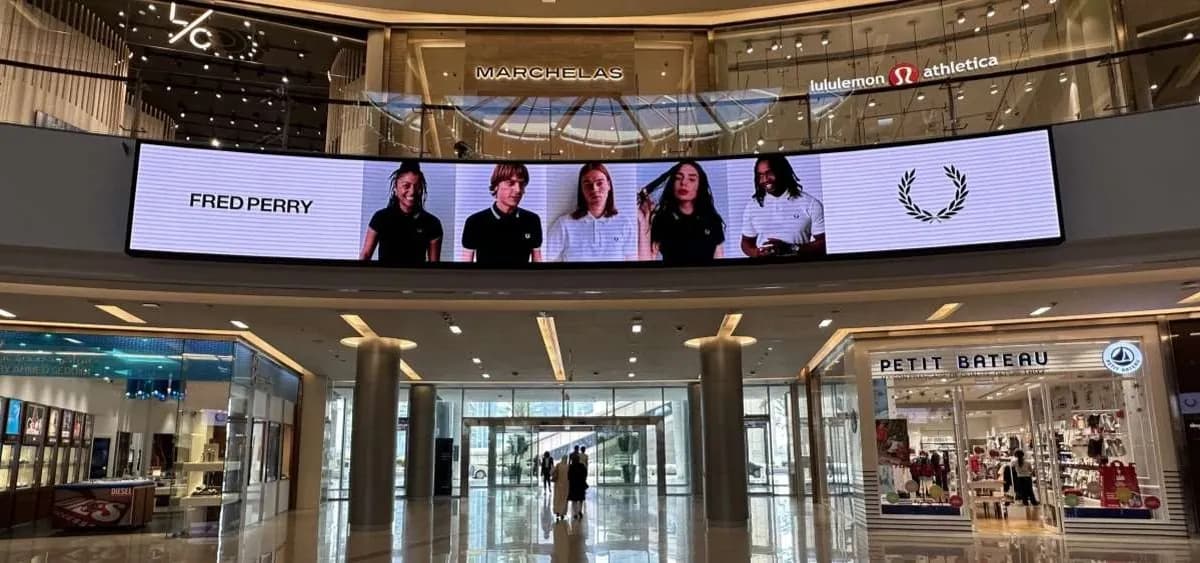
Programmatic Digital Out-of-Home (PDOOH) advertising is a modern form of outdoor advertising that uses automated technology to buy and manage digital advertising spaces. Instead of manually booking billboards or screens, advertisers can use data and software platforms to launch campaigns more efficiently.
PDOOH combines the impact of traditional out of home advertising with the flexibility and targeting capabilities of digital marketing. As a result, it has become one of the fastest-growing advertising channels worldwide. Many brands now use PDOOH across digital billboards, shopping malls, airports, and even transport advertising networks to reach audiences more effectively.
Below are the key benefits of PDOOH advertising:
Real-Time Campaign Management
One of the biggest advantages of PDOOH is the ability to manage campaigns in real time.
Advertisers can instantly:
- Change ad creatives
- Update messaging
- Pause or restart campaigns
- Schedule ads for specific times
For example, a restaurant can promote breakfast deals in the morning and dinner offers in the evening using the same digital screen.
Better Audience Targeting
PDOOH uses data to display ads to the right audience at the right time and location.
Advertisers can target audiences based on:
- Location
- Time of day
- Weather conditions
- Traffic patterns
- Consumer behavior
- Demographics
For example, a fitness brand may show ads near gyms during evening hours when more people are exercising.
Increased Flexibility
Traditional outdoor advertising often requires long booking periods and printed materials. PDOOH removes many of these limitations.
Advertisers can:
- Run short-term campaigns
- Test multiple creatives
- Adjust budgets anytime
- Launch campaigns quickly
This flexibility is especially useful for seasonal promotions, product launches, and limited-time offers.
Dynamic and Engaging Content
PDOOH uses digital screens that support video, animation, and interactive visuals.
Compared to static posters, digital content is more eye-catching and engaging.
Examples of Dynamic Content
- Countdown timers
- Live sports scores
- Weather-based messaging
- Real-time promotions
- Animated advertisements
For example, a beverage company may display cold drink ads during hot weather.
Data-Driven Advertising
PDOOH campaigns are supported by audience and performance data.
Advertisers can analyze:
- Impressions
- Audience movement
- Screen performance
- Engagement trends
- Campaign reach
This helps brands make smarter decisions and improve campaign performance over time.
Programmatic Buying Efficiency
PDOOH uses automated systems to buy advertising space, making the process faster and simpler.
Instead of negotiating manually with multiple media owners, advertisers can manage campaigns through a single platform.
Benefits of Automation
- Faster campaign setup
- Easier budget control
- Improved efficiency
- Reduced manual work
Improved Campaign Personalization
PDOOH allows advertisers to customize messaging based on audience context.
Ads can change depending on:
- Time
- Location
- Audience behavior
- Weather
- Events
For example:
- Coffee ads can appear during morning rush hours
- Retail promotions can increase during weekends
- Travel ads can target airport audiences
Higher Visibility and Brand Awareness
Digital outdoor screens are highly visible in busy public locations such as:
- City centers
- Airports
- Shopping malls
- Highways
- Transit stations
Bright digital displays naturally attract attention, especially in crowded environments.
Supports Omnichannel Marketing
PDOOH works well alongside other digital marketing channels such as:
- Social media
- Mobile advertising
- Online video
- Search advertising
Brands can create integrated campaigns that connect online and offline experiences.
For example, someone who sees a digital billboard may later receive related mobile ads.
Environmentally Friendly Compared to Printed Advertising
Because PDOOH uses digital screens, it reduces the need for printed materials.
This helps lower:
- Paper waste
- Printing costs
- Installation waste
Why It Matters
Many brands now prioritize sustainability, and PDOOH supports more environmentally conscious advertising strategies.
Get a Tailored Quote Now to Launch Your Outdoor Campaign!
Your audience is out there, on roads, at airports and across screens. Every moment of delay is a moment of lost visibility. So, why wait? Request a personalised quote now to plan and roll out your OOH advertising Dubai campaign at full speed.
We craft a bespoke strategy that delivers maximum impact across the city's most strategic locations. From concept to execution, Dubai Advertising gets your campaign up and running faster than ever.