


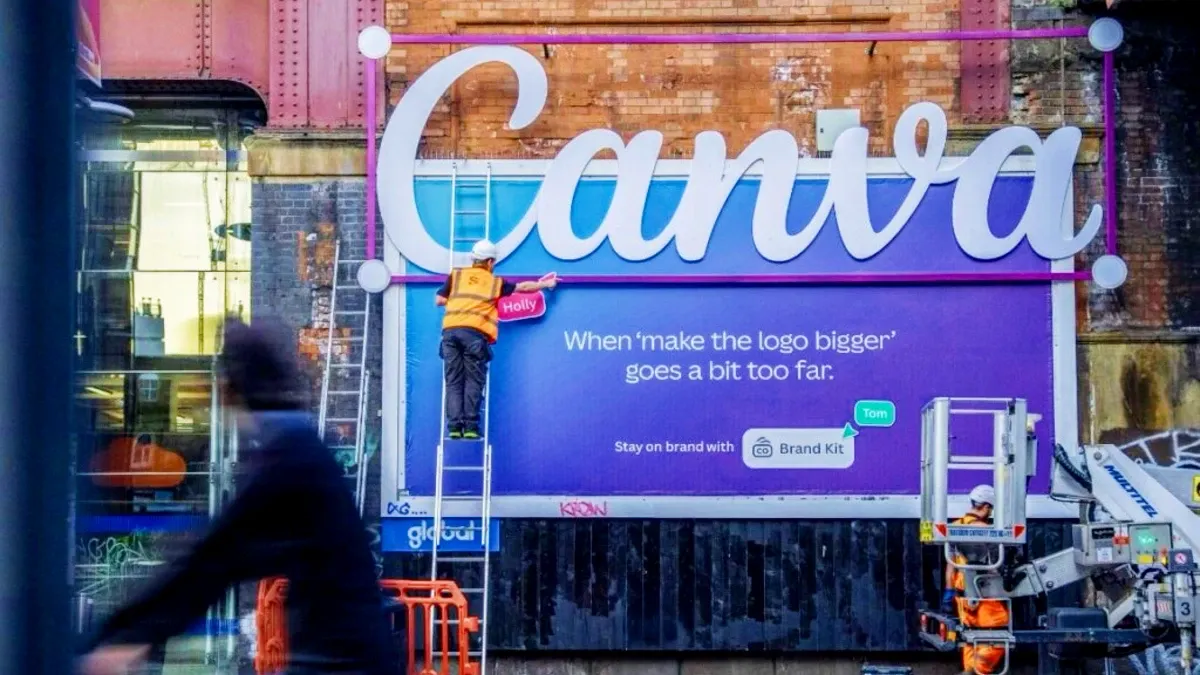
The Future of OOH Advertising: Where the Industry Is Headed
Step outside and look at any modern city, and you will notice something interesting. Advertising has not disappeared in the digital age. If anything, it has become more present, more refined, and far more intelligent. What once felt like a static medium has quietly evolved into one of the most adaptive and future-ready channels in marketing. The future of outdoor advertising is not about replacing what came before, but about building on it in ways that feel more connected to how people actually live, move, and engage with the world around them.
There is a reason the industry continues to grow despite constant shifts in technology and consumer behaviour. While other channels fight for attention within crowded screens, out of home advertising remains rooted in the physical world, where attention is still real, undivided, and often more meaningful. What is changing is not its relevance, but its capability.
A Shift from Static to Living Media
For decades, OOH was defined by permanence. Posters, billboards, and large-format prints delivered scale, but they were fixed in both message and timing. That limitation is now disappearing. Digital screens have transformed OOH into something far more dynamic, allowing campaigns to evolve in real time rather than remain locked in place.
With the rise of , brands are no longer restricted to a single creative or message. Content can shift throughout the day, adapt to context, and remain relevant in ways that traditional formats simply could not achieve. A campaign can speak differently to a morning commuter than it does to an evening audience, and that flexibility is fundamentally changing how brands think about outdoor media.
This transformation has also brought OOH closer to digital in terms of agility, without losing its core strength of physical presence. The result is a medium that feels both grounded and responsive at the same time.
Programmatic and Automation Are Opening New Doors
One of the most significant developments shaping the future of OOH is the growth of programmatic buying. What once required long planning cycles and manual booking processes is now becoming faster, more accessible, and far more data-driven.
Programmatic DOOH allows advertisers to buy and optimise outdoor placements using the same logic they apply to digital campaigns. This means campaigns can be adjusted based on performance, audience behaviour, or even external conditions, creating a level of control that was previously unimaginable in outdoor media.
More importantly, it is making OOH more accessible. What was once seen as a premium channel reserved for large brands is gradually opening up to smaller advertisers who want the same level of visibility, but with greater flexibility in how they deploy their budgets.
Artificial Intelligence Is Redefining Campaign Planning
Artificial intelligence is not just influencing digital advertising. It is becoming deeply embedded within OOH as well, reshaping how campaigns are planned, executed, and measured.
Instead of relying on static assumptions about audience behaviour, AI allows brands to respond to real-world signals such as traffic flow, weather patterns, and movement data. This creates campaigns that feel more relevant, not because they are personalised in a digital sense, but because they are contextually aligned with what is happening around the audience at that moment.
At the same time, AI is simplifying campaign management. From forecasting performance to optimising placements and even adapting creative outputs across multiple formats, it is reducing complexity while improving results. The role of AI in OOH is not to replace creativity, but to support it with smarter decision-making and more precise execution.
Blending Physical Presence with Digital Interaction
One of the most defining characteristics of modern OOH is its ability to extend beyond the moment of exposure. A billboard is no longer just something you see and forget. It has become a starting point for interaction.
Through QR codes, mobile integration, and location-based targeting, outdoor campaigns are now connected to the digital ecosystem in a way that feels seamless. A person might encounter a screen in a public space, engage with it instantly, and continue that interaction online without any friction.
This integration is what allows OOH to move beyond awareness and into measurable engagement. It creates a continuous journey where physical and digital experiences reinforce each other rather than operate separately.
Immersive Creativity Is Becoming the Standard
As competition for attention increases, creativity within OOH is evolving just as quickly as the technology behind it. Static visuals are being replaced by experiences that feel more engaging, more interactive, and far more memorable.
High-resolution digital screens, 3D installations, and augmented reality elements are transforming public spaces into storytelling environments. These executions are not just seen, they are experienced, often leading to organic sharing across social platforms and extending the reach of a campaign far beyond its physical location.
This shift is particularly important because it aligns with how audiences behave today. People do not just consume content, they share it. When outdoor campaigns are designed with that behaviour in mind, they become part of a much larger conversation.
Retail and Real-World Context Are Gaining Importance
Another major shift in the future of OOH is its growing presence within high-intent environments. Retail spaces, transport hubs, and everyday locations where people spend time are becoming increasingly valuable for advertisers.
Digital screens placed within these environments allow brands to connect with audiences at moments when decisions are being made. Whether it is inside a shopping centre, near a transport route, or even at emerging locations such as EV charging stations, OOH is positioning itself closer to action rather than just awareness.
This move towards context-driven placement is what makes the channel even more powerful. It is not just about being seen, but about being seen at the right moment.
Sustainability Is Shaping the Next Generation of OOH
As brands become more conscious of their environmental impact, OOH is evolving to meet those expectations. Digital formats reduce the need for physical production, while new technologies such as energy-efficient screens and solar-powered installations are helping to lower overall emissions.
What makes OOH particularly interesting in this space is that it is already one of the more sustainable advertising channels when measured per impression. As innovation continues, sustainability is likely to become not just a requirement, but a defining advantage for the medium moving forward.
Trust and Real-World Presence Are Becoming More Valuable
In a time where digital content can be manipulated, filtered, or even entirely generated, the physical presence of OOH carries a different kind of weight. It feels real because it is real.
Seeing a brand in a public space signals credibility in a way that is difficult to replicate online. It creates a sense of scale and permanence, reinforcing trust at a time when audiences are becoming more selective about what they believe.
This is one of the most understated yet powerful advantages OOH will continue to hold as the industry evolves.
Why the Future Still Belongs to OOH
The future of OOH advertising is not about competing with digital channels, but about complementing them in ways that feel natural and effective. It sits at the intersection of physical presence and digital intelligence, offering something that neither can fully achieve on their own.
As technology continues to advance, OOH will become more responsive, more measurable, and more integrated into the wider marketing ecosystem. At the same time, it will retain the qualities that have always made it valuable. Visibility, scale, and real-world impact.
That balance is what ensures its place in the future of advertising.
FAQs
Q1. What is the future of OOH advertising?
OOH is becoming more digital, data-driven, and integrated with online channels, offering better targeting and measurable results.
Q2. What role does DOOH play in the future?
DOOH allows real-time content updates, flexible campaigns, and stronger integration with digital strategies.
Q3. Is OOH advertising still growing?
Yes, global revenue is increasing, with projections showing strong growth driven by digital formats and programmatic buying.
Q4. How is AI used in OOH advertising?
AI helps optimise targeting, predict audience behaviour, and improve campaign performance through real-time data.
Q5. Is OOH suitable for smaller brands in the future?
Yes, programmatic and digital formats are making OOH more accessible and flexible for a wider range of advertisers.
Let’s Build What Comes Next
The future of advertising is not just digital. It is connected.
If you are ready to bring your brand into the real world with smarter, more impactful campaigns, we are here to help.
Get a Tailored Quote Now to Launch Your Outdoor Campaign!
Your audience is out there, on roads, at airports and across screens. Every moment of delay is a moment of lost visibility. So, why wait? Request a personalised quote now to plan and roll out your OOH advertising Dubai campaign at full speed.
We craft a bespoke strategy that delivers maximum impact across the city's most strategic locations. From concept to execution, Dubai Advertising gets your campaign up and running faster than ever.