


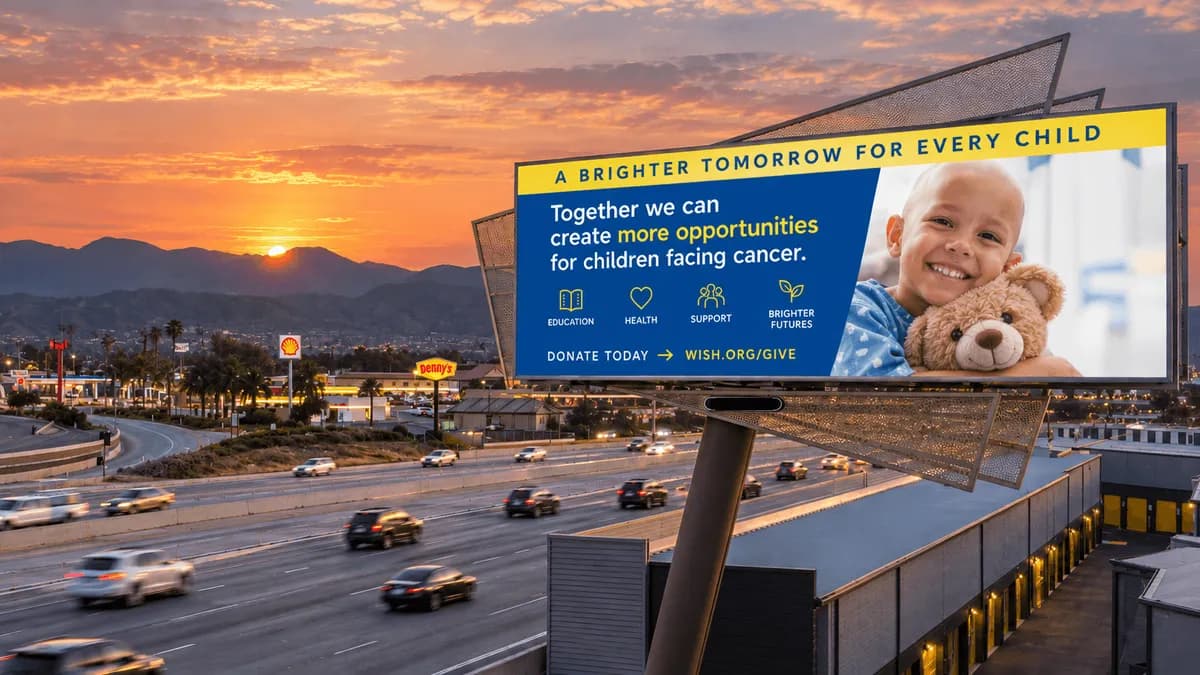
Nonprofit organisations often need to communicate important messages to large and diverse audiences. The challenge is getting those messages seen by enough people to make an impact.
Billboard advertising can give charities, foundations and community organisations a visible presence in public spaces. Campaigns can raise awareness of a cause, promote a fundraising appeal, encourage behavioural change or direct people towards support services.
In the UAE, outdoor campaigns can reach residents, commuters, workers and visitors as they move through cities every day. The right location, message and creative approach can turn that visibility into meaningful public engagement.
Set a Clear Goal Before Planning the Campaign
Every nonprofit campaign should begin with one clear objective.
Some organisations want more people to recognise their name or understand a particular issue. Others may need donations, volunteers, event registrations or visits to a website.
Common objectives include:
- Raising awareness of a social or environmental issue
- Promoting a fundraising campaign
- Recruiting volunteers
- Encouraging health or safety awareness
- Promoting community events
- Directing people towards support services
- Increasing recognition of a charity or foundation
Defining the objective early makes the rest of the campaign easier to plan. It helps determine where the adverts should appear, what they should say and which action audiences should take.
Choose Locations Around the Audience
Location plays an important role in any outdoor campaign.
A nonprofit does not necessarily need to appear everywhere. The priority should be reaching people who are relevant to the cause.
A campaign aimed at families could focus on residential communities, shopping areas and routes with regular family traffic. A health awareness campaign may benefit from placements near hospitals, clinics or busy urban areas. Environmental messages can work well in locations where the subject feels relevant to the surroundings.
In Dubai and across the UAE, organisations can consider media across:
- Major roads and highways
- Residential communities
- Shopping destinations
- Business districts
- Transport environments
- High-footfall pedestrian areas
- Digital outdoor screens
Careful location planning can help an organisation use its available budget more efficiently while keeping the campaign focused.
Keep the Message Easy to Understand
People usually see outdoor adverts while travelling, walking or going about their day. They may have only a few seconds to understand the message.
Nonprofit creative therefore needs to be simple.
Start with one main idea. Use a short headline and support it with a strong image. If there is an action you want people to take, make that action clear.
For example, the campaign might ask someone to donate, scan a QR code, visit a website or attend an event.
Trying to communicate too many points in one advert can weaken the message. Detailed information can sit on the organisation's website or landing page. The outdoor creative should create interest and give people a reason to find out more.
Use Human Stories Carefully
Many nonprofit campaigns deal with subjects that affect people directly. Human stories can help audiences understand why an issue matters.
A strong photograph and a few carefully chosen words can make a complex subject easier to relate to.
However, charities should consider how people and communities are represented. Images should respect the dignity of the individuals involved and accurately reflect the issue.
A clear and thoughtful message can often give audiences a stronger reason to care and respond.
Where appropriate, organisations can use real stories, statistics or outcomes to give the campaign greater credibility. Any claims or figures used should be accurate and supported by reliable sources.
Make the Call to Action Clear
Awareness is often the first step. Many campaigns also need audiences to do something afterwards.
The call to action should match the campaign objective.
It could be as simple as:
“Donate today.”
“Register to volunteer.”
“Learn more.”
“Get support.”
“Scan to help.”
QR codes can provide a direct route from an outdoor advert to a donation page, registration form or campaign website. Short and memorable website addresses can also work well.
The destination matters too. If someone scans a QR code, the landing page should load quickly on mobile and continue the same message they saw on the advert.
Consider Digital Outdoor Media
Digital out-of-home screens give nonprofit organisations more flexibility with campaign creative.
Different messages can be scheduled for different periods, locations or audiences. A charity promoting an event could update its message as the date approaches. A fundraising campaign could switch creative during different stages of an appeal.
Digital screens can also support motion, although the creative should remain simple enough to understand quickly.
For organisations with limited budgets, a targeted digital schedule may provide an opportunity to concentrate activity around specific locations and periods rather than maintaining a continuous presence.
Build Trust Through the Creative
Trust is particularly important when an organisation is asking people to donate money, share personal information or support a sensitive cause.
The organisation's name and identity should be clearly visible. Where appropriate, include relevant registration information or direct audiences to an official website.
Avoid exaggerated claims. Statistics should have a reliable source, and campaign language should accurately represent how donations or support will be used.
Clear communication helps audiences understand who is behind the campaign and what their participation can achieve.
Measure What Happens After the Campaign Goes Live
Nonprofits should decide how success will be measured before launching.
The right metrics depend on the campaign goal. They could include:
- Website visits
- QR code scans
- Donations
- Volunteer registrations
- Event sign-ups
- Calls or enquiries
- Social media activity
- Changes in awareness
Using unique QR codes or campaign landing pages can make responses easier to track.
Get a Tailored Quote Now to Launch Your Outdoor Campaign!
Your audience is out there, on roads, at airports and across screens. Every moment of delay is a moment of lost visibility. So, why wait? Request a personalised quote now to plan and roll out your OOH advertising Dubai campaign at full speed.
We craft a bespoke strategy that delivers maximum impact across the city's most strategic locations. From concept to execution, Dubai Advertising gets your campaign up and running faster than ever.