


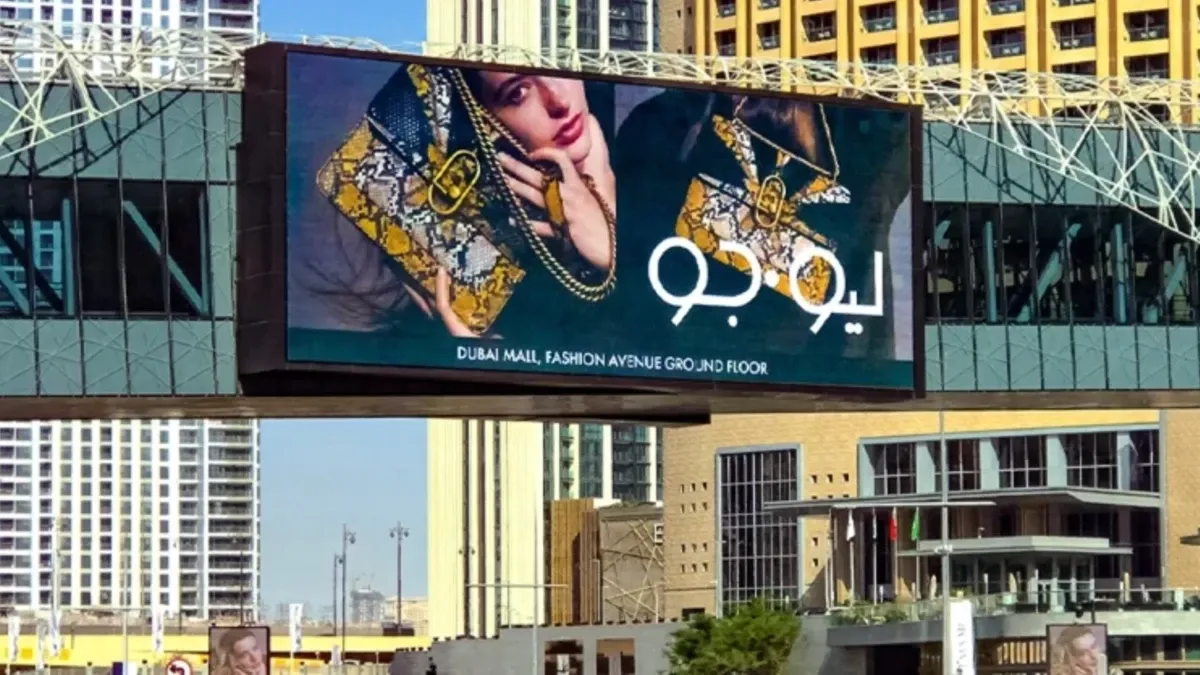
Advertising has always followed people wherever they go. From roadside billboards to posters inside train stations, brands have spent decades finding ways to stay visible within everyday life. What has changed in recent years is not the desire to be seen, but the technology behind how those messages are delivered.
That shift is exactly where DOOH advertising enters the picture.
Digital Out of Home advertising, commonly known as DOOH, has transformed traditional outdoor media into something far more dynamic, flexible, and intelligent. Instead of relying solely on static printed displays, brands can now deliver moving, responsive, and data-driven campaigns across digital screens placed in public spaces.
The result is a form of advertising that combines the physical impact of traditional outdoor media with many of the advantages associated with digital marketing.
Understanding What DOOH Advertising Actually Means
DOOH stands for Digital Out of Home advertising. It refers to advertising displayed on digital screens located outside the home, usually in high-traffic public environments where people naturally spend time throughout their day.
These screens appear in locations such as:
- Roadsides and highways
- Shopping malls
- Airports
- Metro stations
- Bus shelters
- Retail stores
- Gyms and entertainment venues
Formats such as Billboard advertising, digital roadside screens, airport displays, and transit media all fall under the wider DOOH ecosystem when powered digitally.
Unlike traditional static posters or printed billboards, DOOH screens can display video, animation, rotating creatives, live updates, and interactive content. Campaigns can be adjusted remotely and updated in real time without requiring physical replacement of materials.
That flexibility is one of the biggest reasons the industry has grown so rapidly over the last few years.
Why DOOH Feels Different From Traditional Advertising
One of the reasons DOOH has become so popular is because it sits between two worlds. It keeps the large-scale visibility and physical presence of traditional OOH Advertising, while introducing the adaptability and targeting capabilities that advertisers have come to expect from digital media.
Traditional outdoor advertising is static by nature. Once a billboard is installed, the creative usually remains unchanged for the duration of the campaign. DOOH changes that entirely.
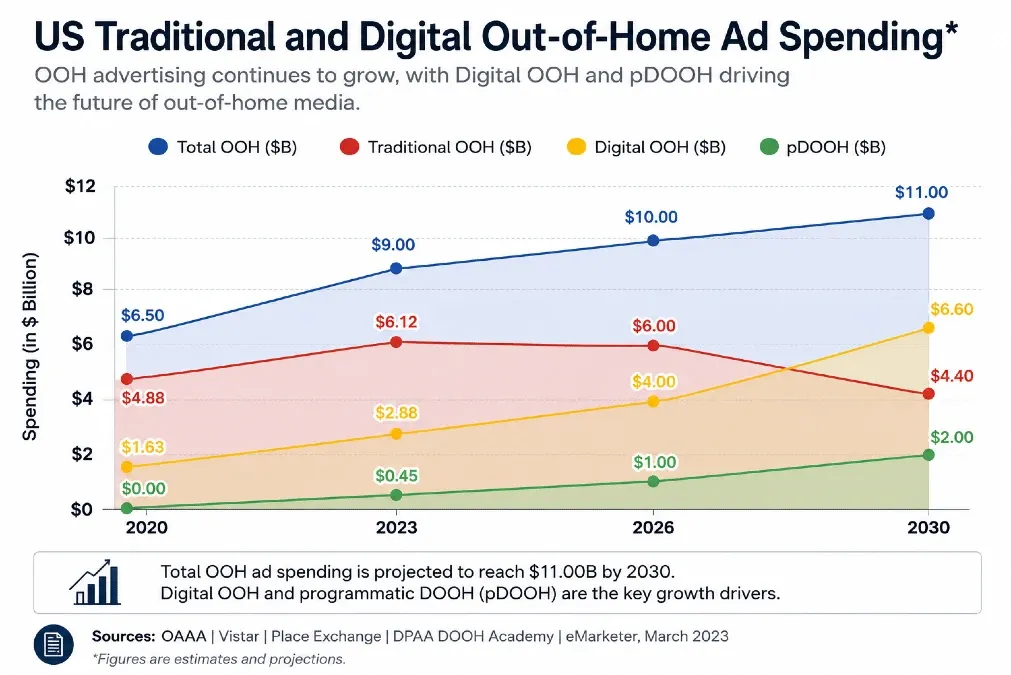
A digital screen inside a mall can show one advertisement in the morning, switch to another during lunch hours, and display entirely different messaging by evening. An airport campaign can rotate creatives depending on flight schedules, audience demographics, or seasonal promotions. A roadside screen can even respond to weather conditions or live traffic updates.
This ability to adapt in real time has made DOOH far more than simply “a screen with ads on it”. It has become a responsive media channel capable of delivering contextually relevant experiences throughout the day.
Where DOOH Advertising Appears Most Often
One of the strongest advantages of DOOH is its versatility. Digital screens can operate across a huge variety of environments, each serving different audience behaviours and campaign goals.
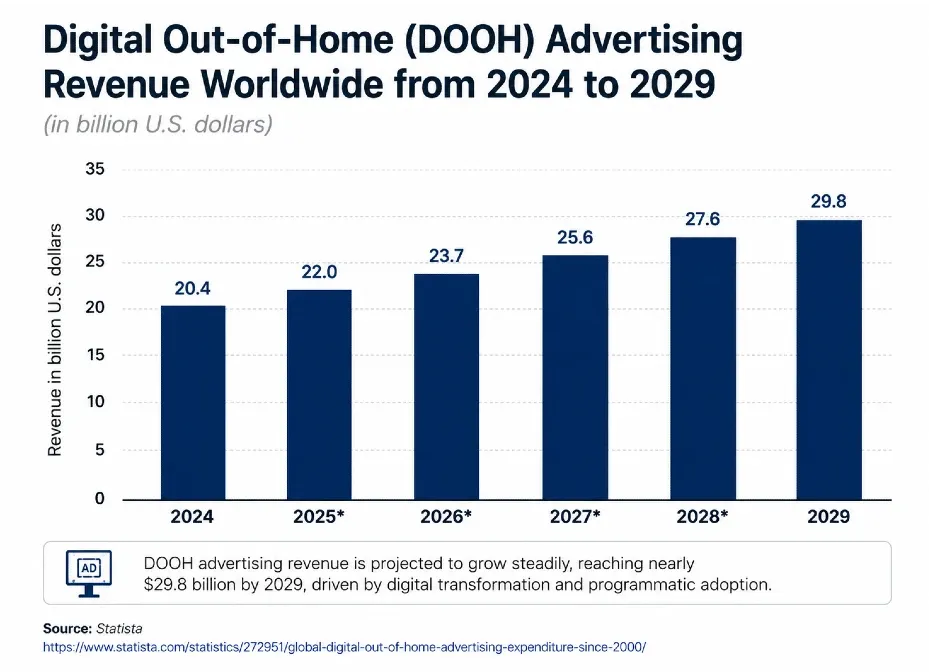
Large-format roadside screens remain among the most recognisable examples of DOOH because of their visibility and scale. These formats dominate highways, busy intersections, and city centres, helping brands achieve mass awareness in locations with heavy traffic flow.
At the same time, place-based environments have become increasingly important. Screens inside malls, retail spaces, gyms, and transport hubs allow advertisers to reach audiences during moments where they are actively moving, waiting, shopping, or making decisions.
Locations such as airports and transport advertising are particularly valuable because they combine long dwell times with high footfall, creating repeated exposure opportunities for brands.
This diversity of placements allows DOOH campaigns to become highly strategic rather than simply broad.
The Technology Behind DOOH Campaigns
What truly separates DOOH from traditional outdoor advertising is the technology powering it behind the scenes.
Digital screens connect to networks that allow advertisers to upload, manage, schedule, and optimise content remotely. Instead of physically replacing a printed billboard, brands can adjust campaigns instantly through cloud-based systems.
This creates enormous flexibility.
Advertisers can:
- Change creatives throughout the day
- Schedule campaigns based on audience behaviour
- Run time-sensitive messaging
- Trigger ads based on weather or events
- Rotate multiple campaigns on the same screen
DOOH has also become closely linked with programmatic advertising, often referred to as pDOOH. This allows advertisers to buy inventory automatically using data and audience targeting rather than relying solely on traditional media buying methods.
As a result, outdoor advertising has become far more precise and measurable than it was in previous decades.
Why Brands Are Investing Heavily Into DOOH
The growth of DOOH is not happening by accident. Brands are investing more heavily into digital outdoor media because it solves several challenges modern advertisers face online.
People increasingly ignore or skip traditional digital ads. Social feeds are crowded, attention spans are fragmented, and ad blockers have become common. DOOH works differently because it exists in the physical world.
A digital billboard cannot be skipped.
A transit screen cannot be blocked.
A large-format roadside display naturally becomes part of the environment around it.
This creates a level of unavoidable visibility that is becoming increasingly valuable in modern marketing.
At the same time, the visual quality of DOOH helps campaigns stand out far more effectively. Motion graphics, video content, live feeds, and immersive digital executions naturally capture attention in ways static formats often cannot.
That combination of visibility and flexibility is what makes the channel so powerful.
DOOH and Data-Driven Targeting
One of the most important developments in DOOH is the use of audience and contextual data.
Modern DOOH campaigns can adapt messaging depending on:
- Time of day
- Weather conditions
- Audience movement
- Traffic levels
- Nearby events
- Demographic patterns
For example, a coffee brand may prioritise breakfast messaging during the morning commute, while a food delivery app might push dinner-focused creatives later in the evening. A fashion retailer may trigger campaigns differently during tourist seasons or major shopping periods.
This level of contextual relevance allows DOOH campaigns to feel smarter and more aligned with audience behaviour without becoming intrusive.
It also bridges the gap between physical and digital marketing in a way that feels seamless rather than forced.
How DOOH Works Alongside Other Marketing Channels
One of the reasons DOOH performs so well today is because it rarely operates in isolation. The strongest campaigns often integrate outdoor media with mobile, social media, search, video, and connected TV campaigns.
Someone might see a DOOH campaign during their commute, search for the brand later that day, and then encounter retargeted content on social platforms later in the evening. That sequence creates familiarity across multiple touchpoints, strengthening brand recall significantly.
DOOH is also becoming increasingly interactive. QR codes, live social integrations, and mobile engagement tools are helping brands turn physical visibility into measurable action.
This is one of the reasons many advertisers now see DOOH as part of a much wider omnichannel strategy rather than simply an awareness medium.
Measurement Is Improving Rapidly
Historically, outdoor advertising relied heavily on estimated audience figures and traffic analysis. DOOH has dramatically improved that landscape.
Because digital screens are connected to networks and supported by audience intelligence platforms, advertisers can now access:
- Impressions
- Reach estimates
- Dwell time
- Audience movement data
- Footfall attribution
- Brand lift analysis
This has made outdoor advertising far more accountable and performance-driven than many people realise.
For brands investing significant budgets into awareness and engagement campaigns, that measurement capability is becoming increasingly important.
The Future of DOOH Looks Even Bigger
The future of DOOH is closely tied to developments in AI, automation, programmatic buying, and interactive technology.
Artificial intelligence is already helping advertisers improve targeting, forecast audience movement, and optimise campaigns in real time. At the same time, advancements in screen technology are creating more immersive experiences through 3D visuals, interactive installations, and high-resolution digital environments.
The line between digital advertising and outdoor media is becoming increasingly blurred.
As audiences continue spending time in public environments while remaining connected digitally through their devices, DOOH sits in a unique position within the advertising ecosystem. It combines visibility, scale, flexibility, and real-world presence in a way very few channels can achieve simultaneously.
That is exactly why brands across industries continue investing heavily into it.
FAQs
Q1. What does DOOH mean in advertising?
DOOH stands for Digital Out of Home advertising, which uses digital screens in public spaces to display advertising content.
Q2. How is DOOH different from traditional outdoor advertising?
Traditional outdoor advertising uses static printed media, while DOOH uses digital screens capable of dynamic and real-time content updates.
Q3. Where are DOOH ads usually displayed?
DOOH ads commonly appear on roadside billboards, airports, malls, metro stations, retail stores, and public transport environments.
Q4. Is DOOH advertising effective?
Yes, DOOH is highly effective because it combines strong visibility with digital flexibility, audience targeting, and measurable campaign performance.
Q5. Can DOOH campaigns be updated remotely?
Yes, one of the main advantages of DOOH is that creatives and scheduling can be updated instantly through digital networks.
Bring Your Brand to Life With DOOH Advertising
Whether you want large-scale roadside visibility, immersive airport campaigns, or dynamic digital screens across transport and retail environments, DOOH creates opportunities that traditional media simply cannot replicate.
Explore formats, campaigns, and advertising opportunities with Dubai Advertising or speak with our team directly.
Because the brands people remember are usually the ones they keep seeing in the real world.
Get a Tailored Quote Now to Launch Your Outdoor Campaign!
Your audience is out there, on roads, at airports and across screens. Every moment of delay is a moment of lost visibility. So, why wait? Request a personalised quote now to plan and roll out your OOH advertising Dubai campaign at full speed.
We craft a bespoke strategy that delivers maximum impact across the city's most strategic locations. From concept to execution, Dubai Advertising gets your campaign up and running faster than ever.