


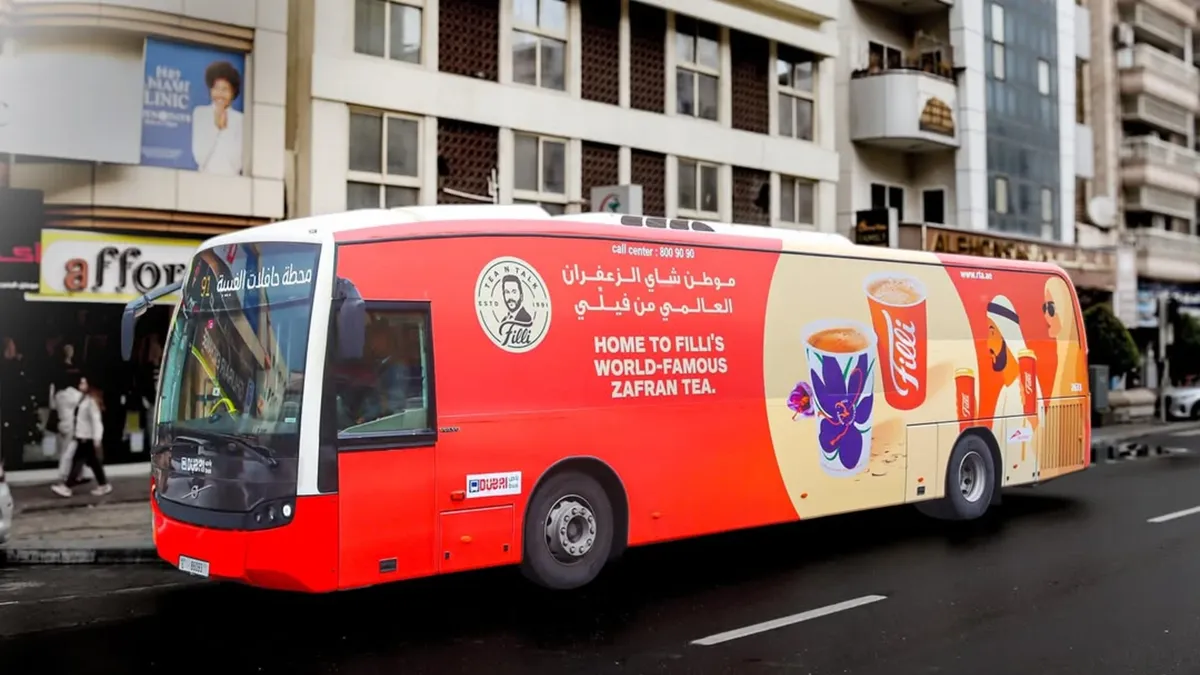
How Do Bus Ads Work?
Imagine your brand travelling across a city all day, seen by thousands of people without needing them to search, scroll, or click.
That is exactly how bus advertising works.
It takes your message out into the real world and places it directly into people’s daily routines. Whether they are commuting, walking, or driving, your brand becomes part of their journey.
For businesses exploring out of home advertising, bus ads are one of the most dynamic ways to build visibility.
Turning Buses Into Moving Billboards
At the heart of it, bus advertising is simple.
Brands place ads on the exterior or interior of buses, transforming them into mobile advertising spaces.
These ads move through:
- City centres
- Residential areas
- Business districts
- Tourist zones
This movement ensures your message reaches a wide audience across multiple locations throughout the day.
Choosing the Right Type of Bus Ad
Bus ads come in different formats depending on your goals and budget.
Full Bus Wraps
Cover the entire bus, creating maximum visibility. Ideal for large campaigns and product launches.
Partial Wraps
Focus on specific sections like the sides or rear. A more budget-friendly option that still delivers strong exposure.
Interior Ads
Placed inside the bus where passengers can see them for longer periods. Great for detailed messaging and calls to action.
Digital Bus Ads
Some buses and shelters now feature screens that can display changing content based on time or audience.
Each format offers a different level of visibility and engagement, allowing brands to tailor campaigns effectively.
How Bus Ads Reach the Right Audience
Bus advertising works through smart placement and consistent routes.
When planning a campaign, brands choose:
- Specific routes
- Key areas
- High-traffic zones
For example, a campaign targeting professionals might focus on business districts, while a retail brand may choose routes near shopping areas.
Because buses follow fixed routes daily, they deliver repeated exposure to the same audience, strengthening brand recall over time.
Why Movement Makes a Difference
Unlike static formats, bus ads are always on the move.
This creates:
- Wider coverage across the city
- Exposure to different demographics
- Continuous visibility throughout the day
A single bus can generate tens of thousands of impressions daily simply by following its route.
That movement is what gives bus advertising its edge.
Designing Ads That Actually Get Noticed
Bus ads are often viewed quickly, so design matters.
Effective bus ads use:
- Bold colours and strong visuals
- Minimal text
- Clear branding
The goal is simple. Make the message easy to understand within seconds, whether someone is walking past or driving behind the bus.
Capturing Attention Inside the Bus
Interior ads work differently.
Passengers are seated, relaxed, and often looking around.
This creates a captive audience with:
- Longer viewing time
- Higher engagement
- Better message absorption
Interior formats are ideal for promotions, detailed messaging, and directing users to take action.
How Campaigns Are Planned and Launched
Launching a bus advertising campaign involves a few key steps:
- Define your objective
- Select routes and locations
- Choose the right format
- Design the creative
- Install the ads on buses
Campaigns typically run for a few weeks, allowing enough time to build visibility and recall.
Measuring Results in the Real World
While bus ads are physical, they can still be measured.
Brands track performance through:
- Estimated impressions based on routes
- Website visits and searches
- QR codes or custom links
- Sales uplift in targeted areas
This helps understand how the campaign is performing and where improvements can be made.
Working Together With Other Formats
Bus ads become even more effective when combined with other channels.
For example:
- Pairing with billboards across outdoor advertising networks
- Reinforcing campaigns with digital ads
- Extending reach through transport advertising strategies
This creates a consistent brand presence across multiple touchpoints.
Why Bus Advertising Continues to Work
It comes down to visibility, repetition, and movement.
Bus ads:
- Reach large audiences daily
- Appear across multiple locations
- Stay visible throughout the day
That combination keeps your brand in front of people again and again.
FAQs
Q1. How do bus ads reach so many people?
They travel across high-traffic routes, exposing your brand to commuters, pedestrians, and drivers.
Q2. What is the most effective type of bus ad?
Full wraps offer the highest visibility, while interior ads are great for engagement.
Q3. How long should a bus campaign run?
Most campaigns run for 4 weeks or longer to build strong recall.
Q4. Can bus ads target specific audiences?
Yes, by selecting routes that pass through relevant areas and demographics.
Q5. Are bus ads measurable?
Yes, through impressions, engagement tracking, and impact on traffic or sales.
Let’s Put Your Brand on the Move
If you want your brand to travel across the city and stay in front of people all day, bus advertising is the way to do it. Get started with us today, and let’s turn movement into visibility and visibility into results.
Get a Tailored Quote Now to Launch Your Outdoor Campaign!
Your audience is out there, on roads, at airports and across screens. Every moment of delay is a moment of lost visibility. So, why wait? Request a personalised quote now to plan and roll out your OOH advertising Dubai campaign at full speed.
We craft a bespoke strategy that delivers maximum impact across the city's most strategic locations. From concept to execution, Dubai Advertising gets your campaign up and running faster than ever.