


Top Advantages of OOH Advertising for Modern Brands
Step outside anywhere in the world and you’ll see it instantly.
Brands on roads, buildings, transport, and public spaces. This constant presence is not an accident, but a curated strategy.
For businesses investing in OOH advertising, the goal is simple. Stay visible, stay relevant, and stay remembered.
And it works.
Visibility That Never Switches Off
OOH advertising lives in the real world.
It does not rely on clicks, algorithms, or screen time. It is always there, seen by people as they move through their day.
Whether it’s during a morning commute, an evening drive, or a weekend outing, your brand remains visible.
That kind of continuous exposure is difficult to replicate in any other channel.
Unskippable and Impossible to Ignore
Digital ads can be skipped. Pop-ups can be closed.
Outdoor advertising simply exists.
Placed in high-traffic areas, it becomes part of the environment. People see it without needing to engage with it actively.
This makes out of home advertising one of the few truly unskippable media channels.
Mass Reach Across Real Audiences
OOH connects with people from all walks of life.
It reaches:
- Commuters
- Pedestrians
- Tourists
- Residents
Because it sits in public spaces, it naturally delivers large-scale reach without requiring audience selection in advance.
Builds Strong Brand Recall Over Time
Repetition is everything.
When people see your brand regularly in the same locations, it becomes familiar. That familiarity leads to trust, and trust leads to action.
This is why OOH is so effective for long-term brand building.
Enhances Trust and Credibility
There is something powerful about physical presence.
When a brand appears on large formats in public spaces, it signals confidence and scale. It tells people the brand is established and worth noticing.
This subtle shift in perception can influence how customers feel about your business.
Cost-Effective at Scale
OOH offers strong value over time.
While premium placements require investment, the number of impressions delivered makes the cost per thousand impressions highly competitive.
One campaign can deliver continuous exposure for weeks, reaching thousands or even millions of people.
Perfectly Complements Digital Campaigns
OOH does not replace digital. It strengthens it.
A typical journey might look like this:
- A person sees your outdoor ad
- Later searches your brand online
- Then engages with your digital campaigns
This connection between physical and digital touchpoints improves overall campaign performance.
Digital OOH Adds Flexibility
Modern OOH has evolved.
With digital formats, brands can:
- Change content in real time
- Adjust messaging based on time or location
- Run multiple creatives on one screen
This adds a level of flexibility that brings OOH closer to digital while maintaining its real-world impact.
Creative Freedom That Stands Out
OOH gives brands space to be bold.
From large billboards to building wraps and transport media, there is room to create something memorable.
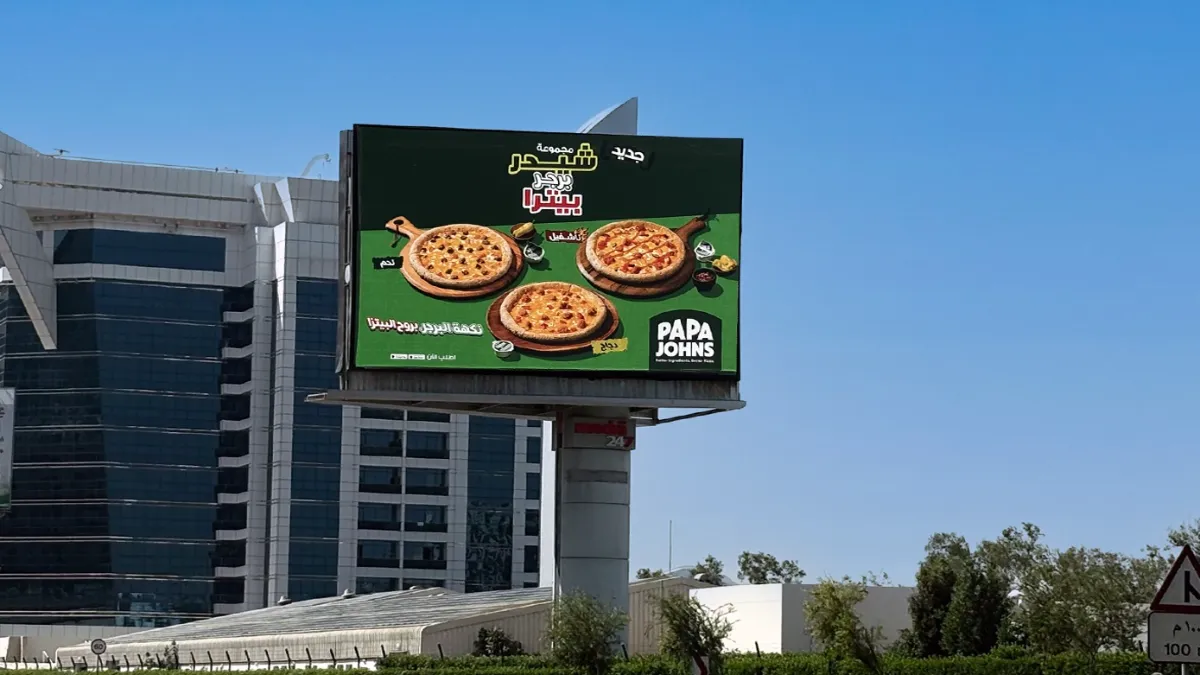
Campaigns using formats like billboard advertising can deliver a strong visual impact that stays with audiences long after they’ve seen it.
Works Across Multiple Environments
OOH is everywhere.
It can be placed in:
- Roads and highways
- Shopping malls
- Airports
- Public transport
This flexibility allows brands to reach audiences in different contexts, from daily routines to travel experiences.
Why OOH Advertising Still Leads the Way
People move. They commute, travel, shop, and explore.
OOH follows them through all of it.
That makes it one of the most reliable ways to stay visible in a world where attention is constantly shifting.
FAQs
1. Why is OOH advertising effective?
Because it delivers constant visibility in real-world environments and cannot be skipped or blocked.
2. Is OOH suitable for small businesses?
Yes, with the right placements and strategy, it can deliver strong local impact.
3. How long should an OOH campaign run?
Most campaigns perform best over 4 to 12 weeks to build recall.
4. Can OOH advertising be measured?
Yes, through impressions, traffic data, QR codes, and sales impact.
5. Does OOH work with digital marketing?
Yes, combining both improves overall campaign performance and brand recall.
Let’s Put Your Brand in the Real World
If you want your brand to be seen, remembered, and trusted, OOH is where it starts.
Get a Tailored Quote Now to Launch Your Outdoor Campaign!
Your audience is out there, on roads, at airports and across screens. Every moment of delay is a moment of lost visibility. So, why wait? Request a personalised quote now to plan and roll out your OOH advertising Dubai campaign at full speed.
We craft a bespoke strategy that delivers maximum impact across the city's most strategic locations. From concept to execution, Dubai Advertising gets your campaign up and running faster than ever.